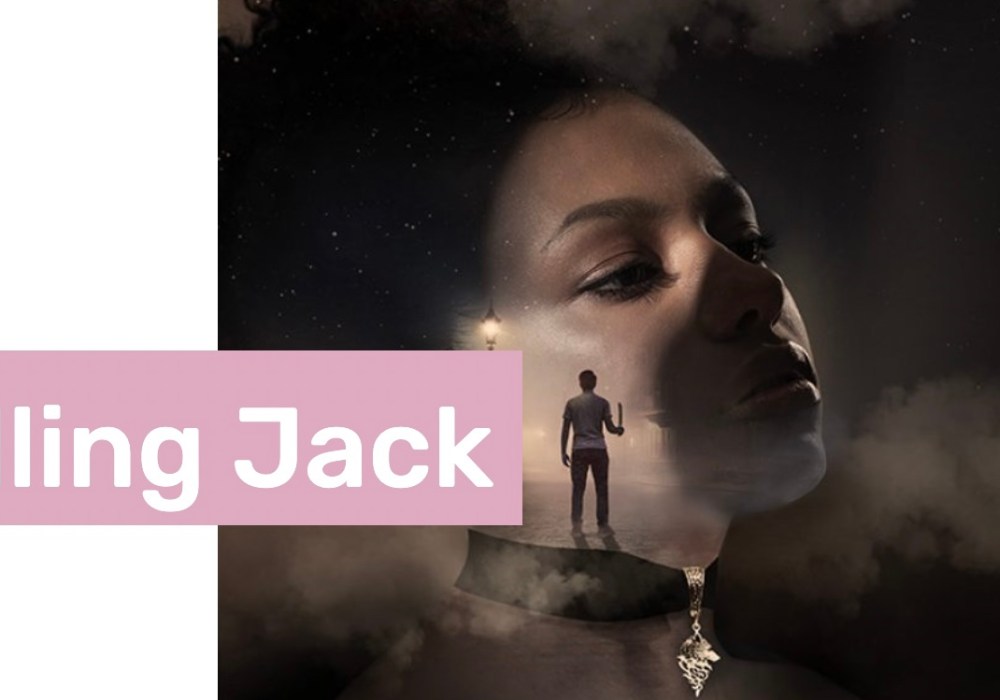
Killing Jack – or – how do you write a play about Jack the Ripper without making it about Jack the Ripper?

Like many people (surprisingly, mostly women) one of my guilty pleasures is cosying up at home and watching a nice programme about serial killers. Fred & Rose? Yes please. Ian & Myra? Cor, yeah. Jeffrey, Ted, Peter, Harold, Ed. And of course all those with super cool names like Night Stalker, Monster of the Andes, and The Brooklyn Vampire. All the big boys of evil; a great evening of uncomfortable viewing. And of course – Jack the Ripper. The King. The Elvis of Murderers. (For years in my head a debonair gent with a top hat and nasty temper, incited to murder easy-access lowly whores to sate his violent mummy issues. Or thereabouts.)

While reading a clickbait article I’ve since forgotten, I realised I didn’t know how many women Jack the Ripper killed. I didn’t know their names, who they were, or if they were – drumroll – even prostitutes at all. I just knew that this wily brutal man had fascinated the world with his incomparable talent for evading escape, albeit in the pre-forensic landscape of Victorian London. Was he an angry pauper, a butcher, a lunatic, a charlatan yank, the queen’s doctor, or even her grandson and thus heir to the throne? Jack still had the knack, almost 150 years later, to keep an worldwide army of macabre enthusiasts on their toes.

No one play could ever give justice to the women who lived such heartbreakingly difficult lives and died such barbaric deaths. So, after almost a year of many drafts and beating myself up, I stopped trying. What good could I ever do these poor women? Which aspects of their five very different, wildly unique and fascinating lives should I even try to begin to boil down for a ninety minute portion of ‘entertainment’? Did I have the right to try?

Since I couldn’t write a five hour play, I decided the best I could do for them, aside from shining a light on them, showing them some love, and completely removing Jack the Ripper as the central character (a furious instinct from the start), was to try and do the best for women in general. Explore what has changed since Polly, Annie, Liz, Kate and Mary Jane’s murders in 1888 changed the world. With their deaths they gave us a villain to love – Jack – and we gave them nothing.

As I researched, I quickly grew weary of all the usual Ripper bilge. As I began ignoring the countless resources written largely by men, I even questioned whether I had picked a dud subject for a play. These male (self-proclaimed) experts were mostly old idiots who didn’t give a fig for the women. Amateur Sherlocks who got a hard on coming up with their bulletproof theories on the Ripper’s identity. I found myself sighing and rolling my eyes on a very regular basis. But it wasn’t boredom or ambivalence I was feeling, it was a frustration that would very quickly turn to full-bodied rage.

Then, inevitably, thank god, I found The Five by (ALL HAIL) historian Hallie Rubenhold and promptly stopped reading anything else written by a man about the bloody Ripper. Even the arch irony of Bruce Robinson (writer of the iconic Withnail & I) in his lengthy tome They All Love Jack was too harsh after the mammoth act of empathy I had just experienced in reading Hallie’s The Five. Because I knew now that I did not actually care about the Ripper at all; I cared about the women. I didn’t give a tiny rat’s turd about who Jack was. I wanted to know who Polly, Annie, Liz, Kate, and Mary Jane were. I couldn’t – and wouldn’t – read any more about them being prostitutes or fallen women or drunks or unfortunates or bad mothers or unrecognisable corpses. Even the ironic use of the word ‘whore’ coming from a cerebral man like Bruce , even if he was ejecting it in allyship to them, was just too much. Five pages and I was done with him too.

But how do you write a play about Jack the Ripper without making it about Jack the Ripper?

Around the same time I was also dipping my toe into the (dangerously addictive by the way) world of genealogy; going giddy over the new connections that exploded keenly in the staggering diagram of my family tree; just a few little clicks and there they were; the people that came before me. It was all there, I had just never looked. With a history of alcoholism and domestic abuse on one side, and military brand coldness, poor mental health and suicide on the other, I suppose it was always something of a daunting task to exhume the people who forwarded their DNA onto me.

I had always thought my dad’s side were largely Welsh and before that Austrian. But between those nationalities I discovered a whole stratum of London and Essex ancestors which wove coincidentally close around the Essex and London timeline of my mum’s relatives. I found my paternal great great great grandmother, Julia Hasler, and something about her kept me prodding around for more records more than any other mystery bud on the tree, quietly asking for me to invest my time and let them speak.

Julia had ten children, all of them illegitimate, and not many destined to survive beyond childhood. Julia survived for the most part by casual charring, one of the lowest forms of employment back, even for women. She spent her adult life in and out of workhouses, particularly during late pregnancy and early maternity, presumably seeking the only form of (cruelly basic) care that would be bestowed upon a woman of no means. Some of the babies never left the workhouse infirmary. In later life she found more secure employment in service at a house, a longterm companionship with William Yelland, her widowed employer, and later marriage. It seems William embraced the remaining children from Julia’s unmarried life as his own, and these children took his name out of respect (and probably to spare their mother’s unmarried blushes and give her a sense of dignity that had previously evaded her).

Something about Julia fascinated me. Her lostness amongst her (albeit struggling but nevertheless relatively stable) family. Perhaps I was drawn to her sheer daily battle to survive; some sense of retroactive grand-daughterly sisterhood spiking in me, hoping to be of some sort of ineffable post-humous comfort to her and what she went through to make it possible that I was ever born.

I wrote to a living link on the tree – a cousin in Canada, much older than me – and asked what he knew of Julia. He said he didn’t know much but after years of searching for her records, and talking to other genealogy experts, it was suspected it was highly likely that Julia spent phases of her life supplementing her charring work with casual prostitution, hence the illegitimate children, periods in workhouses, and black spots in her records. It was just so common for women to be forced to consider selling sex as a means of survival back then. I went back through her records with this in mind. As far as we can ever fill in the gaps, it made sense.

As my research into Jack the Ripper was underway at the same time I was deeply immersed in Victorian London, and couldn’t help but be struck by the similarities between Julia’s life and the women I was reading about. She was living in the same parts of the East End at the same time, and likely doing the same things to survive. Then it whacked me like a spade in the face. It could have been her. So easily she could have been one of the women who fell within the late night prowling ground of the man we call Jack. She could have by slim coincidence been one who got away; who slipped just shy of the same fate. Hundreds of women without a bed who walked and slept on the streets could have been. But knowing that one of your family was alive in 1888 in the very stomping ground of such evil, there to hear the news firsthand, to feel the terror in the streets, perhaps to pause her own industrious night-times until it was safe again, cast my empathy in a kind of warrior iron. I was not just ready to feel for these women, I was ready to fight.

Because what has changed since 1888? We are still told, if we walk home alone late at night (or any time, depending on where you live), that we are bloody stupid – for it is still so chillingly likely that something could happen to us while we dare to take that chance. Some women, like those in 1888, don’t have the means to secure their own safety. Some women have to work at night, some women can’t afford cabs. Some women aren’t housed. Some women haven’t got the option to choose safety.

Every night that we make it home safe, we are all the one who got away.

Every single woman on this planet – present and future – is a few sad circumstances, some bad luck, one night on the wrong street away from being Polly, Annie, Liz, Kate, or Mary Jane.

A play in their honour is a drop in the ocean of what they deserve. But these remarkable women will never leave me now – they are real heroines with permanent residence in my heart. I hope they’ll find that in others too.
Running at Queen’s Theatre Hornchurch, 26 Oct – 11 Nov 2023

Patchwork Time – for World Mental Health Day

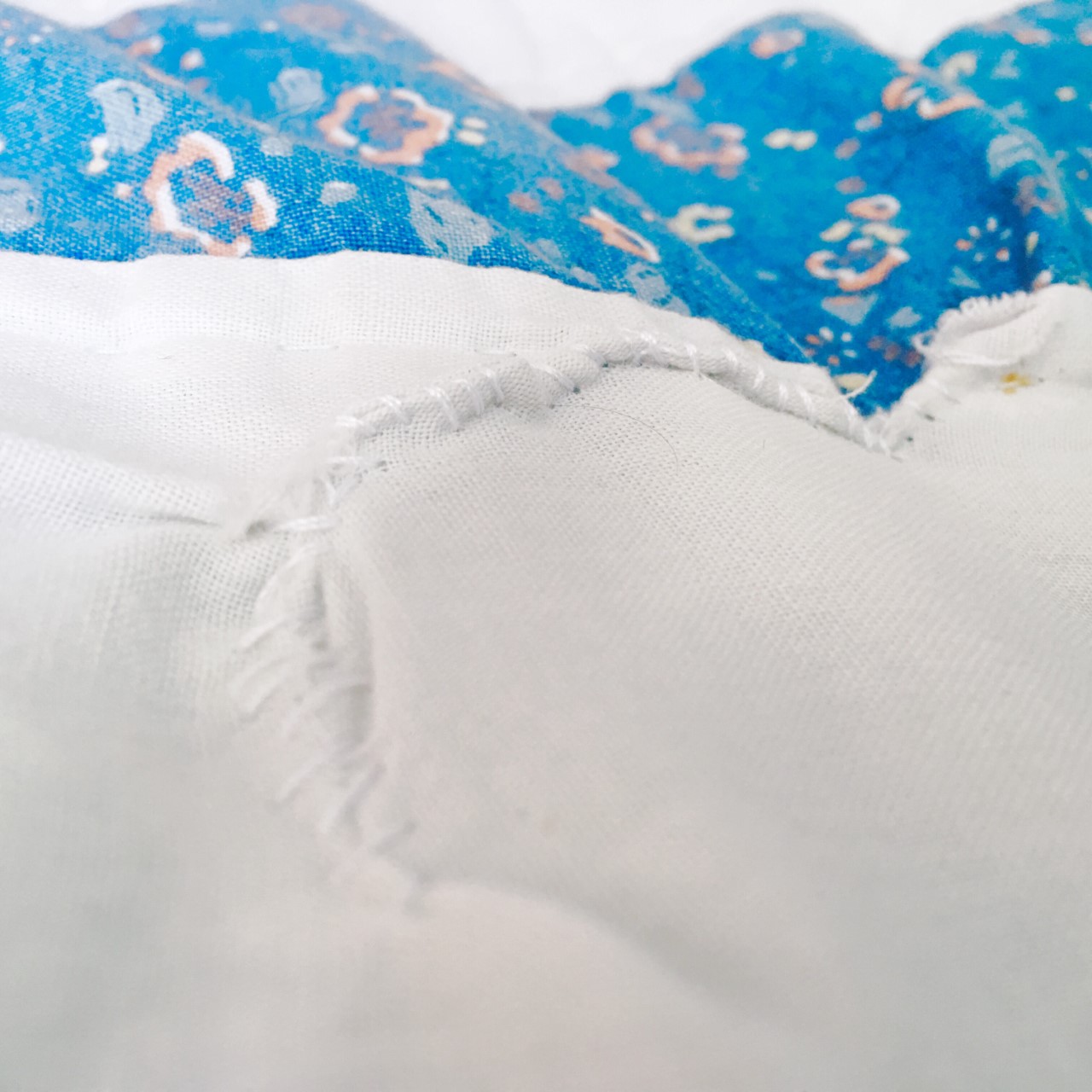
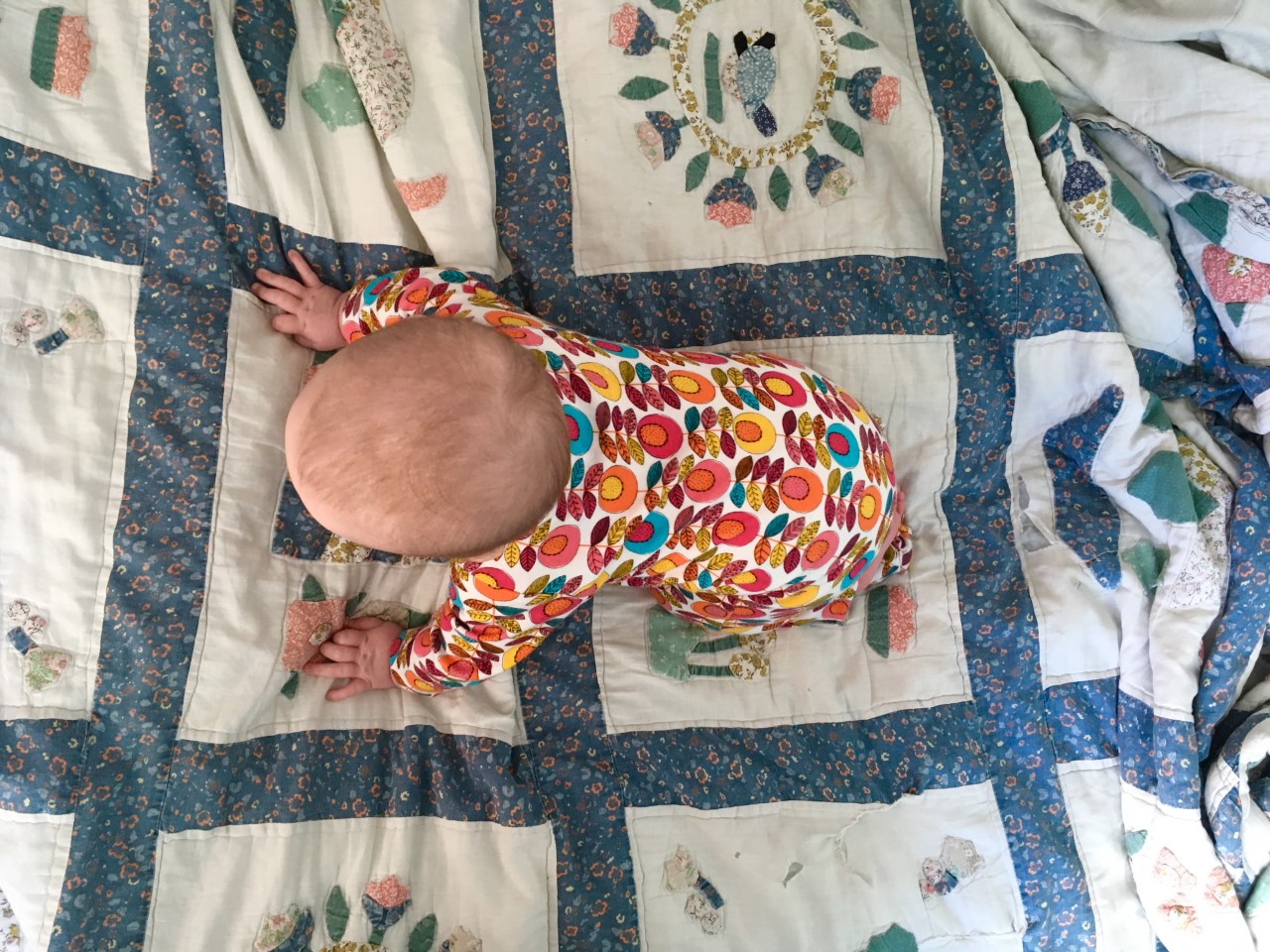
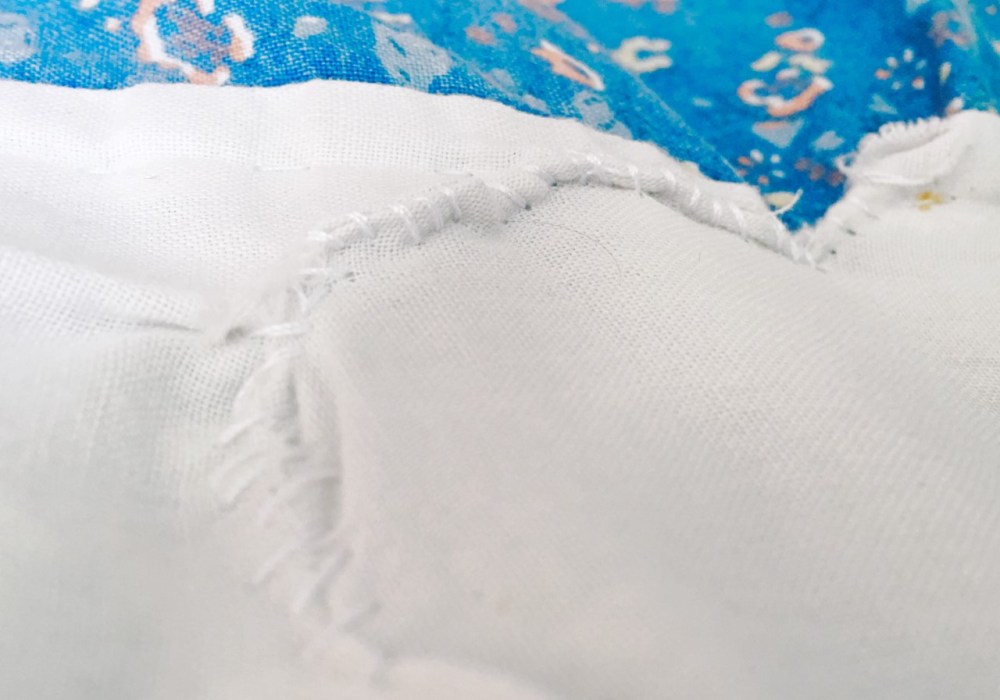
I had a go at stitching my patchwork quilt the other night. It’s pretty old now. Dad gave it to me years ago.

I spread it on my bed every year, around the time Dad died, because that’s when it starts getting nippy. Early October.

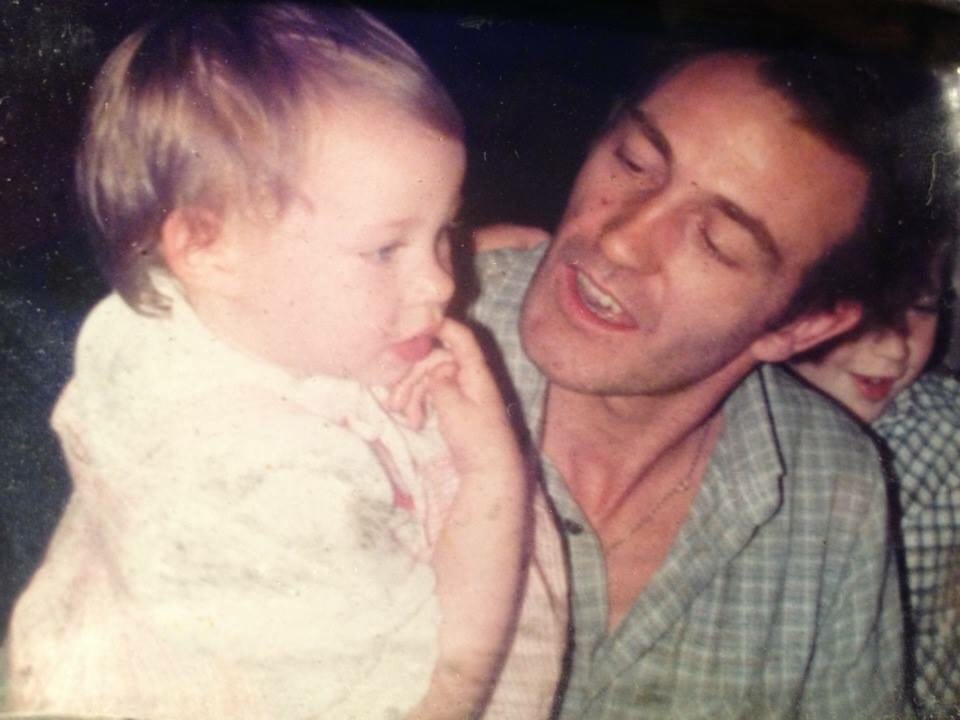
I’ve been meaning to repair it for ages, not wanting it to fall apart, tricking myself it’s because I think everyone should have a cute patchwork quilt that lasts for their lifetime, when really it’s simply because he touched it and touching it makes me feel like a part of him is still here.

Quite without planning the other night I found myself reaching for the sewing tin to begin to sew up the jaggedy rips. It was only as I stopped stitching that I realised it was a funny night to be doing it; the day he was found dead. Two days after he’d done it. The 6th, 7th, 8th of October are always grim days. Picturing him hanging there. This year, I’d been quietly proud of myself all day that I hadn’t been a mess. That I even felt happy. Having a daughter has been fantastic medicine for many things.  My subconscious must have reached for the blanket then; a practical way of acknowledging this new phase of grief; a cosy handling of time. In control. Not too sad. I never thought I’d reach this stage.

Dad bought the blanket for the spare bed in 1999, when my sister and I went to stay with him in Wales. It was Christmas. We were sulky to change our usual Christmas tradition of staying in our cosy burrow at home with Mum, but more than that, we were shitting ourselves. After months of bearing the load herself, Mum had told us that Dad had six months to live. She didn’t know why, he wouldn’t tell her. He wanted us to go for Christmas so he could talk to us.

So we had a sort of Christmas. But he said nothing. And then we left, got a succession of trains home to Southend, our brains so confused I can’t remember what I felt anymore. Months passed. He never talked. It was like he had never told Mum he was dying in the first place. Out of necessity, I just carried on, trying to finish a degree I no longer gave the slightest shit about. Numb. One day he gave me the blanket like a gift. Over the years it has become just another lovely thing my Dad gave me, that I’m glad to have, but really, at its source, it is the backdrop of the time I waited to hear what I thought would be the worst news I’d ever hear, not knowing the worst news would come a few years later, in 2003, when he hanged himself. Another unexpected development.

Dad was an ill man. I had been kept from the troubling spots of his bi-polar character and phases my whole life, and then shit got real. That Christmas, when we waited for him to tell us he was dying. Perhaps he was going to lie and say he’d got a massive tumour or something. I don’t know. Perhaps he was planning on killing himself then; preparing us in the only way you can without saying “FYI: I AM GOING TO KILL MYSELF. NO, DON’T TRY TO STOP ME, I REALLY AM SET ON IT. SOZ.” Perhaps having some time with his children made him realise he couldn’t do it, then. It got delayed.

He was ill. Not consistently – very often he was joy and activity and fun and inspiration and kindness and support and sharp intelligence and love – but the illness waited for him, and he waited for it. Mourning him and puzzling over the act of his suicide has made me ill many times through the years. Grief feels like a mental illness because although it might be spun from the circumstances of losing someone rather than inner chemical workings, it is still a mental trap; a dark labyrinth that takes years to find your way out of, often feeling like you don’t have the strength to keep going. Then there’s the worrying you have ‘the same thing’ as you father. The fear of that legacy.

The blanket began as uncertainty and confusion, then it became epic darkness seeming to have no end, then it became merely sadness and fondness and nostalgia and memories, until it became comfort, warmth, a winter friend. Time and I have worked together on it, not always getting along.

And now my daughter is bunny-hopping over it, it’s changing again. It will be her Grandfather’s blanket, the one she’ll never know. She’ll grow up seeing my crude stitchwork, puckering the fabric like scars. My very imperfect attempt at fixing something. And one day maybe I’ll use it to tell her that things change, and how they change, and that they can keep changing. Maybe one day it will be with her when she feels ill, comfort and warmth, maybe it will be with her when she keeps going, a stitched together reparable thing, a winter friend.

thumbnail_image2.jpgthumbnail_image1.jpg

World Suicide Prevention Day

For World Suicide Prevention Day. An extract from the book I’ve spent far too long writing, about my father’s suicide and life after it.

It’s a chunk about going to visit him at Runwell Hospital, the ‘loony bin’ we all used to laugh about when we were cruel kids who knew nothing about sadness, which I never envisaged having to visit one day. It’s shut now. Houses have been built there. People’s bedrooms occupy the same air as dormitories once did, people chop vegetables for their children where men played out their most depraved acts. The ghosts of broken minds are everywhere.

It occurred to me, in Runwell’s absence, and presumably the closure of other hospitals around the country, with people struggling to see counsellors quickly enough on the NHS, and not everyone able to take themselves off to places like the Priory, that there is going to be a growing chasm between our emotional intelligence and literacy on the subject of mental health, depression, and suicide, and our ability to seek or encourage professional help. The topic of depression has never been spoken about so candidly as it is today, too late for my father, but its free clinical treatment, due to cuts, may stop being an automatic kindness. Mental health, just as we get really get good at talking about it, might become a luxury item on the NHS’s brochure. A privatised habit. Having a therapist might be as unattainable to the normal person as buying Louis Vuitton luggage for all-occasions. People might not be able to afford to overcome their depression ahead of their suicidal urges. They will talk about it less.  They will feel more alone. Things will happen.

We really are and will continue to be even more reliant on ourselves to feel able to speak up when we feel low. Reliant on the mental health climate on social media – a dangerous melting pot full of false experts as much as it is a common comfort – to foster a place for us to be able to express or to read things which may be helpful. Reliant on loved ones to somehow find a way to see through the opaque strangeness of depression to the possible risks of suicide, and to feel compelled, strong, and equipped enough to reach out. It can be a scary subject to broach with someone. So big; so few concrete answers. The fear of risking further harm by talking. But it really could make the difference between someone living and dying.

My father phoned me a few days before he took his own life. Left a voicemail. I was busy, and we’d had problems the few months before which left me less quick to respond than usual. I was tired and sad. He was a difficult controlling man, who never spoke about being bi-polar (manic depressive as it was called then) because it was shameful to him. He hid it very well. I never listened to the voicemail, a weekend passed, and then he was gone, and so was the voicemail. They didn’t hang around long in those days; they got bumped off the phone as new stuff came in. I will never know what he said, it may have just been a seemingly meaningless hello, his way of saying goodbye without stirring suspicion.  I will never know whether my response, even if just a cheery hello, could have stopped him doing what he did. I don’t blame myself, I believe after years of analysing every tiny detail he left behind that he wanted to go and would have done it anyway. But at times, at night, the what ifs are mountains to be trekked over before I can carry on the next day.

I don’t know how you stop someone from ending their own life. I didn’t get a chance to try and I don’t know what I would have done if my father had felt able to voice his thoughts feelings and fears to me. I like to think an inner wisdom would have kicked in simply because I loved him and surely that should be enough. I like to think I would have made a difference. I like to think he would have stayed.

Talk. Let people talk. Never think that the more demonstrable behaviours of depression are needy, attention-seeking, or inconvenient. Sometimes they are the precursors to quiet and private behaviour, the more dangerous times, when people get lost down the cracks.


***

Spring, 2003

I’ll be honest – I’d never, even in my maddest dreams, imagined ever having to help my father escape from a loony bin.

It was perhaps that day, there in the mental hospital now playing home to the man I most admired, that I began to suspect something had gone seriously amiss. Perhaps I should have noticed it sooner, but reality cracks open slowly in some people like an egg left to boil, firming up unseen on the inside before breaking the shell apart. And so it was only as we were scurrying like runaway rats through the carpark to his Volvo, (me with the added image of being wrestled to the ground into a straitjacket, screaming “I’m just visiting, you bastards – it’s him that’s bonkers”), that I thought to myself: “Crumbs. It’s all gone a bit…odd; Life.” Yes, sometimes it takes a while to realise these things, and sometimes you only get around to it when you’re summoned to an asylum on a Sunday afternoon.

I remember the particulars of my visit in random snatches of varying degrees of import. Non-existent is the memory of the news he’d admitted himself a few days before. Blurry is the telephone call Dad made to get me there. Blurrier the journey there. Less blurry is standing in the hospital conservatory, surveying his face for change. Less blurry still is waiting for him to somehow reassure me that despite this unexpected new development, everything was going to be okay.

Dad wanted to go to the pub. It seemed churlish to deny him. He suggested the plan in a low voice and then steered me to the glass doors, all the time talking like we might just be going for a stroll around the grounds. We kept going, his eyes down at his feet, out and round to the car park, to the Volvo. I asked no questions, just matched his gathering pace. He unlocked the car and we slid in, slammed quietly. I fastened my seatbelt, aware of the irony that we had just scarpered rather gracelessly out of a place called Runwell.

I didn’t ask him any questions. They always come too late as a rule, don’t they?

I don’t suppose Dad would ever have allowed me to visit him there at all, but he’d needed some things. I’d turned up at the hospital with a box hastily cobbled together to satisfy his list. My eyes bored into that box as I was led to the visitor’s lounge where he was waiting, and saw the tiled floor passing in squares. Ordered coolness. I lined up my feet with the grouting so I knew I was walking straight, because I wasn’t sure if I should look around me. I didn’t know the etiquette of this strange new place, and – more so than anything, I suppose – I was scared. I feel guilty for that. I guessed it was a safe ward as Dad wasn’t in there for psychotic sex murders or believing he was Satan’s hand-puppet, so I hoped that logically that meant he was on a ward of similarly harmless cases, but I still wasn’t sure. I was scared of what it all was, but more so, what it all meant.

I’d brought books (the diaries of Noel Coward I’d bought him one Christmas – I thought the charm might be a nice escape from communal farting), toiletries, and “something that smells nice, please”, which in this case was the Jean-Paul Gaultier he’d taken to wearing as an eccentric alternative to his Boots cologne.

Did Jean-Paul ever imagine, as he was climbing the ranks of the fashion industry – from his earliest days pricking his finger sewing his first rubber corset, through his catwalk debut to scandalous success, through then to the glory of Paris, France, the World – un range du parfum! – his iconic glass busts moving like unstoppable de Miloesque chess pieces, shunting onto the fragrance counters of the world, all his smooth boob-or-bollocked atomisers poised so that were we all to spritz at the same delicious moment, wait for the convection of the air to flutter it aloft and, in an olfactory butterfly effect, might sneeze together in unison – did Jean-Paul ever picture in all this that one of his pretty little soldiers would be smuggled into a ward for the terminally sad, then squirted hurriedly onto the jacket of a man sneaking away for a stolen lunch?

Though my heart was thundering, Dad pulled away with a stubborn slowness given the fact he was now classified AWOL. I wondered if he was safe to be driving on whatever drugs they’d been giving him. Especially now we were going to be whacking beer into the mix. Oh well, I had to think. Oh well. What else can you think? I’d want booze too if I was shuffling around in slippers with men who talked to their own shit.

We went into Wickford close by. An uninspiring town, its mood perhaps overshadowed by the dark lore of the local madhouse. We parked up and went to a pub called The Hawk – a traditional boozer that might once have been nice, but now was a bit shit. Sat down, surrounded by the wood and the brass and the fake plush and the hardy swirling carpet, I began to breathe normally. This was what we did; pubs, not hospitals. This was us. I remember him dragging deeply on a constant succession of fags and me being unsportingly cross that I would go home stinking. Funny how you can still be cross with your Dad’s old bad habits while at the same time you’re craving normal service to resume.

Dad had steak pie. I think I had scampi. He had two pints of bitter and said he’d better not have any more what with having to drive. Inside I smiled at the thought that if we got stopped by the cops I could just explain I was escorting an escaped nut-job back to the madhouse so it barely mattered if he was half-cut. I remember nothing of our conversation, but I felt the usual pressure to keep things light. I knew better than to question him, and I just wanted him to relax, to be normal, to have a nice time. Before he went back to Bedlam, which presumably wasn’t much of a hoot.

My words for the place are a little casual, I realise. It is easier to accept the strangeness of going on a daytrip to such a place if you front it out a bit; gather black humour like a cloak. Brash words can distract you from your own fragility. It isn’t quite bravery, but it’s close.

I suppose it comes with a prickle of fear too – of what could befall me, could befall anyone. My mother’s mother had been given electric shock therapy here in the 1950s because they didn’t understand her eclamptic fit, my mum had had group therapy at its sister hospital in Rochford close by, I would in time come to have therapy myself, though I never dreamed it then, and now my dad was here, skedaddling off for lunch with his eldest and most indulgent daughter. What the fuck was I doing?

We drove back in silence. I stared outside at the things passing by – green blurs, grey blurs, road. Road, green, grey. I kept hurling my eyes out further. Inside, the familiarity of the Volvo, the nearness of him, would only have clogged my throat with that hardness that kept welling there. I swallowed it down. As we passed through the gates, overhung by spring-green trees, I imagined he was simply one of the doctors there, and that I was just going to work with him for the day. He’d look good in a white coat. He’d suit the clipboard. Do psychiatrists have stethoscopes? He would look good with one of those too. He’d need to get a fucking haircut first though – he looked a right state. And probably not be…quite as mental.

We parked up in the same space and save for now facing the other way it was like we’d never left. I walked back in with him, not knowing quite when to sever the visit. We were wordless all this time, as though we had only just met and were struggling to think of smalltalk. The walls seemed to whisper “Don’t speak, don’t make a fuss. Go quickly and don’t look back.” But despite the unusual setting this was perhaps our most common mode. I had been accustomed to saying goodbye to him since I was five; every holiday, a big grin and a cheery wave for his benefit, knowing that when he was out of sight, down the road in his Volvo, both our smiles would falter. Kids of divorce seem to either instinctively act in a way that will make their parents happy, or in a way that demands happiness from their parents. Givers and receivers. I doubt that both instincts can exist in the same child. I was so bloody chipper all the time it was like I was permanently tap-dancing to make sure everyone was fucking happy. The world’s not fucked; look. Look at my fucking jazz hands.

And what did Dad feel, then, that day, during our two hour interlude in his month’s sojourn? What was he thinking as I arrived, uncertain and smiling, as I hugged him? What surged through his heart as I handed him over a box of his things? Love, or shame, or both? Was his decision to sneak out for lunch with his daughter a spontaneous one or had he planned it? Was it bravery or cowardice; thoughtful or selfish? Did he want to say more than he did; why did he fail? Was he fobbing me off or protecting me? How present was he in those moments? Could he see through my bravado? Was I his friend, or his daughter? Was every good thing in his life reduced or invalidated by this slump in proceedings? Did he have any idea what would come next? Could he taste his pie or was it all just one big nothing?

Somehow we said goodbye. I remember the smell of him – like bland biscuits soaked in the bileous precursor to sick. A warm acidic version of his natural odour. The staleness in the lambswool collar of his leather flying jacket, not quite sweat but deeper, something from out of the bones not the skin. Is this what unhappiness smelt like? I edged away, glancing guiltily through to the ward.  Whatever part was still supplying me with humour had me half-expecting to see Sid James and Charles Hawtry sitting up in bed with boiled eggs, wide-eyed at Babs’ boobs. I listened for a Kenneth Williams “Ohh!” chastising a torpedo-titted Hattie Jacques. Carry On Cracking Up. How odd that cracking up can mean both laughing and going mad. How fine the line.

It was like – no, it was – a dormitory. A big school-style hall divided into tiny cubicles, pretending to be homely. Curtains and bedside tables and duvet covers brought in by family, from home. I had a stab in the guts that I had not thought to bring in some bedding. Dad was one of the men with standard issue pale green. The generic shade of pastoral bleakness. Unvisited. My numbness threatened to fall away. I wondered why it should be that a man in his fifties when reduced to a single bed should seem so undignified. That his sleep should be restricted by the dimensions of a bed for a child. He should be spread out on a kingsize, hogging the diagonal from a loved one, limbs overlapping, slumbering in memory of a life well lived, dreaming peacefully. He should rise to warm creaking radiators and a dog stretching and the papers. A kitchen table of toast and tea. He was not this. He was better than this. But. But he had earned this. I knew it then, though I would defend him to the death. I did defend him to the death, and do still. Loyalty is knowing someone is wrong, but not caring.

I wanted to stay with him. I didn’t want him to be alone. I wanted to sit on his bed and chat and feign that I was alright with it all. I wanted to eradicate the sadness of his surroundings by having a laugh about the man in the next bed, who had a toupee and sang ABBA songs to his socks. I wanted to absorb it all for him. I wanted to watch people and see into their lives and hope my thoughts reached them like a hand stroking their teeming minds.

How had they all come to be here, these poor sad fucks? All these diminished men who once were empty and ready for filling with fresh things, who all had had childhoods that could have led to something else, who all had laughed and loved and felt a sense of promise prickling their skin, once. How had they all come to be together in a dormitory, their histories mixed like a bad grey stew? It seared my insides. There were bodies bulking out the beds, solid mass under those sheets, real men, induced to sleep the day away with whatever unpronounceable drugs had been picked out for them. Is this their life now? Strangers watching them sleep? Ultimate vulnerability. They had their backs to the door. They were curled, their necks frail like dead birds. They looked like boys, these tired men. Why were there no lullabies? Why is there just this awful administrative mumbling? My eyes fly over their things. Books and a porcelain dog. Flowers. Papers from an outside world. If I see it all can I take it away, like a bedpan of piss? If I type it now, can I make it better? Flashes of their lives whoosh through me like the ghosts of their spirits, their biographies like bogus sprites wanting to wrest from me, what? Pity? Love? Smuggled-in forgiveness on behalf of a bigger thing for all that they are? I want to suck it all in. I want to siphon it all out, take it outside, and puke it into an unreachable sky.

God. People make you fucking hurt.

Make it kind – Mental Health Awareness Week

I haven’t written about my father, his suicide, grief, or mental health for a while now.

I felt I should just ‘stop’. Let him rest, let it be, & stop picking the scab. But grief never really goes. It just changes.

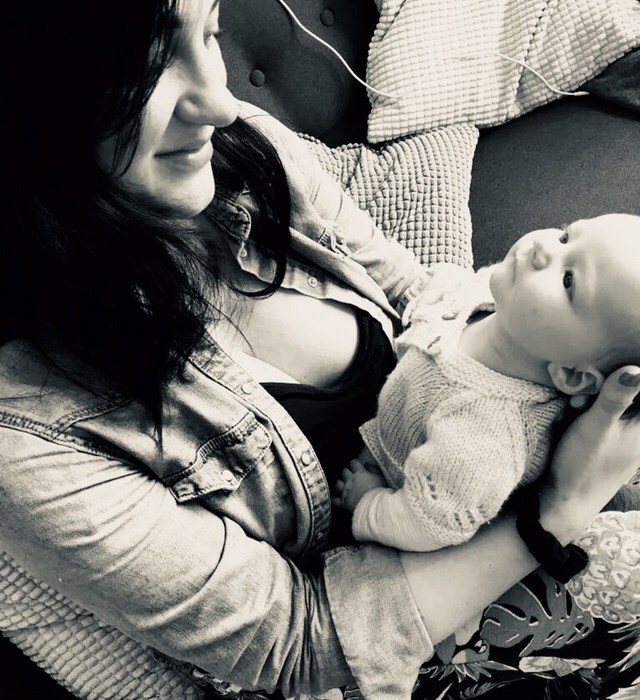
In the last few months Dad has been present throughout my pregnancy thoughts, & now that my daughter is here my relationship with him has shifted again. During the last 15 years I have never thought ‘how could you do that to us, to me’. Tenderness battled anger and always won. Now I have a daughter, I can’t help but re-examine my feelings. How could he do that to us, his daughters? I couldn’t do it to her. I never want to leave her for a second, & the thought of being the source of her biggest sadness makes me want to be sick.

So how could he do it to me?

But of course, the answer is, mental health. It can make a man leave the loves in his life because he absolutely cannot face being alive anymore, because he cannot function, because life seems a long and unbearable journey, because it seems unfixable, because he even believes he is doing the best thing for people by leaving. Because the power of depression is sometimes so strong it even outweighs love, that beautiful thing that we are taught is stronger than anything. It’s terrifying when we discover it isn’t.

Grief changes all the time. I have struggled with losing Dad for years, the sadness very nearly made me give up myself at times, and just as grief got easier, I will now struggle with the thought that he would have had so much more love to give and receive if he could only have believed that there was help out there; in medication, in people, in good old fashioned kindness, in miraculously powerful time. I will struggle with the fact that Marcie will never meet my father, one of her granddads, but I will make sure she knows all the good things about him. And one day I will have to talk to her about mental health. I’m not sure what I’ll say yet, but I know it will be kind.

#mentalhealthawarenessweek

More things I’ve written on similar themes

Body

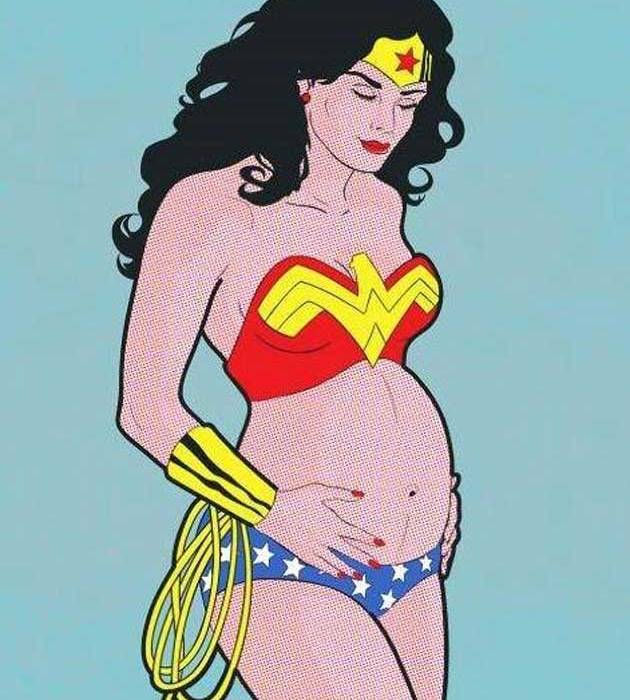
Sitting on the bed just now, jumble-headed & waiting for my eyes to clear enough to get up for a wee, I looked down at my swollen tummy and really looked at it. What a change. I thought about the inner intricate whirrings & industrious processes, makings of a life that i can take no credit for with my knowing brain. My body has taken over. My body, which I have never loved nor even liked much. I have been unkind to it every day.

Some people love their bodies during sex, or in the act of dressing or displaying, of styling or posing or playing or sporting or pushing themselves beyond a limit they refuse to accept; love themselves in the freedom of private pleasure, of solitary nudeness, in childish unconsciousness or the unthinkingness of orgasm; in relief, in the defiance of unacceptable sickness, in healing, in surprise at still being here, in joy they ever were, in determination to stay and be and live while they still have a body to carry them around, to permit them the grace of their fleeting existence.

I’ve still never liked my body much in any of that. But I just realised in the half-dark, with a little thing stirring awake beneath the massive earthlike arc of my skin, that I really like my body. Love it, even. Not the look of it, but the fact of it. Its new purpose.

I don’t know how I’ll feel about it in the last few weeks of pregnancy. I don’t know how I’ll feel about it during birth, or immediately afterwards, or soon afterwards or long afterwards, until it starts to age and ail me as it will. But for now, the biggest and strangest and most natural-unnatural I’ve ever been, I really love my body. And I will love loving it, for a while.

Up the Duff & Terrifyingly Fine

I told everyone I was pregnant yesterday. It wasn’t a prank or anything. It’s true. I’ve just been keeping it under my hat for 22 weeks. Well, it started under my hat then when it got a bit bigger I had to admit defeat and transfer it to my tum and honour the traditional gestational process. (Turns out a uterus is definitely better for that sort of thing than a beret.) And now it’s grown even more and there’s no getting around it anymore. Especially in confined spaces with a rucksack on. I am with child. Having a baby. Knocked up. Preggers. Up the duff. In the family way. Expecting. No longer able to say I just ate a lot of pasta.

There’s a little human growing inside me. A girl. Holy smoke.

And this is literally the best way I could think of telling people. A sort of jocular awkward kind of joke about hats and pasta, because I actually feel really shy saying anything about it at all. The kind of shy that people would scoff at and say “Yeah alright, Hasler. Shy. Course.” But I am. Because for all my splurging about sometimes intensely personal things, half a decade of writing a pretty open book column, talking about being pregnant feels like the next level of sharing. Writing columns or articles about suicide, grief, depression, other big dark things, is fine; they’re important to me, part of my guts and nerves and heart and pulse, but I’m not protective of them. I just say what I think and out it goes. But I am protective of this little thing that’s wriggling about in my big round belly. That’s a completely different thing. A creature. A living thing. Something that I must look after with every bit of strength and love and determination I have. Every good thing I possess must go into making this human grow and learn and be happy. I will have to learn and grow more in order to do a better job. A job and a devotion I must honour until I die. I’ll have to keep five steps in front of her, half a watchful step behind, and a silent step to the side, by her side, all at the same time. Until death us do part. That’s an unfathomably massive thing.

I cannot believe they’ll only let people drive a vehicle after months of expensive lessons and a big scary test, but this – actual creation – we can just crack on with on our own after a bottle of wine on a Friday night and a couple of pregnancy tests a few weeks later in the bog at work. I keep expecting someone to say “Sorry Hasler, the results have come back and you’re not cut out for it after all. That’s it; put it back.” And I wouldn’t know where to start with putting it back. I can’t even get cereal back in the box after it’s spilled on the floor. (Not that you should, but I do hate waste. Five second rule and starving kids in Africa and all that.)

And here I am, still joking about it, like it’s a box of Cheerios I could adios.

When it’s the least funny thing I have ever known. Having a baby. It’s the biggest, realest, scariest, loveliest, most important thing. I am insanely wired on the all-consuming seriousness of it, and already ready to kill for her. I am protective of her eyelashes and fingertips and her tiny little pouting mouth. I am protective of her tiny doll parts as all this sexual abuse stuff still blows around in a gale. I am protective of her heart and her receptiveness to the world and her experiences and all the people she will ever love and all her future joy.

I am having a baby. I can feel her kicking and I’ve got a feeling that’s what it’s all going to be about, for me, for the rest of my time from now on. And that is terrifyingly fine.

VTndEGR

Fucking Fish

I have been entrusted with the care of a fishtank for one week and already things have got out of hand in a deathy fashion. It was only two days ago that my mum and step-dad absconded like lusty teenagers to a caravan in Suffolk for their anniversary and I’m pulling my bloody hair out.

The exchange went something like this:

“Just drop some food in every other day, Sadie.”

“Yes. I shall. For I can do that.” 

End of exchange.

I really thought that would be the extent of it. But those were simpler times.

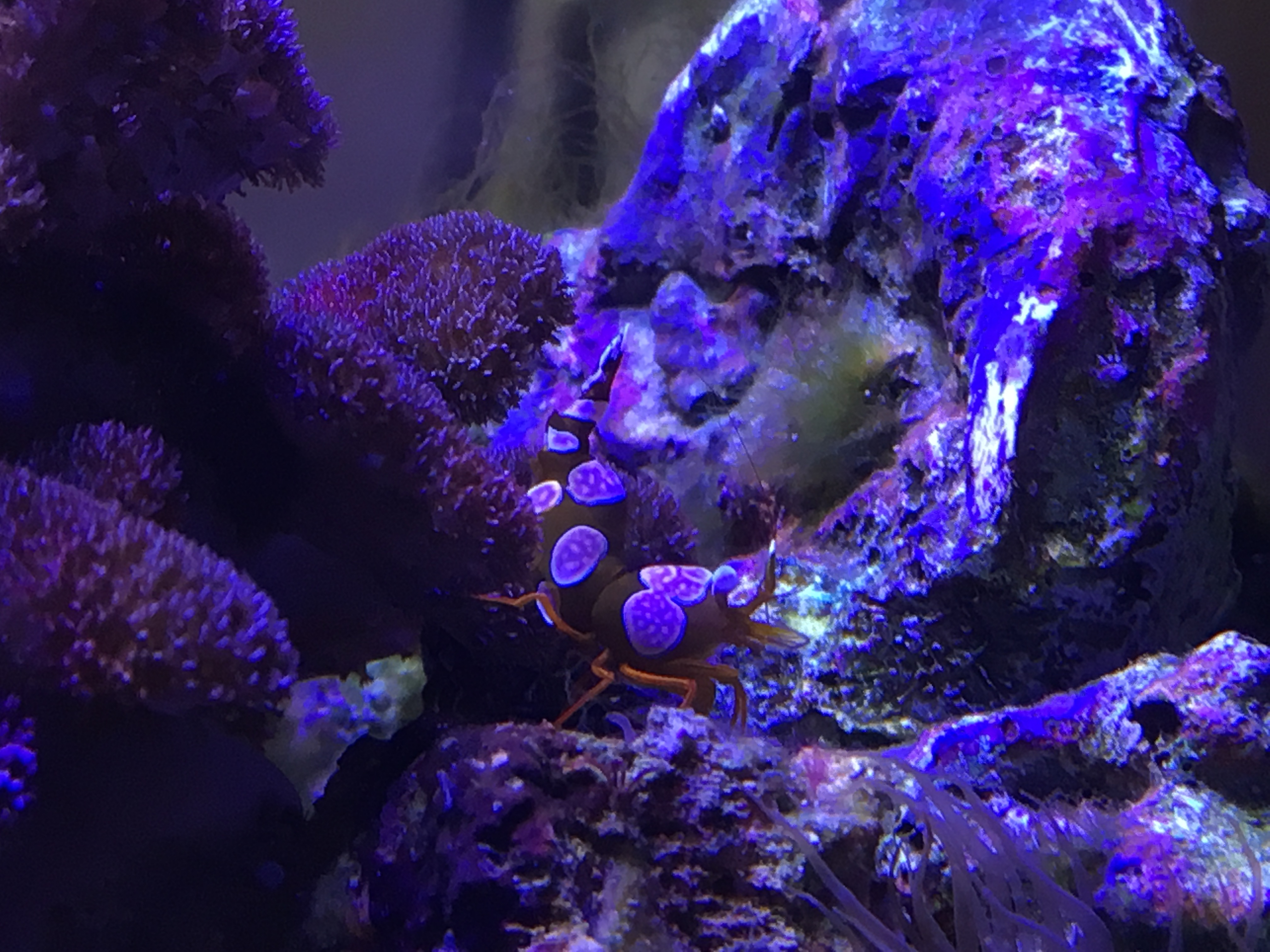
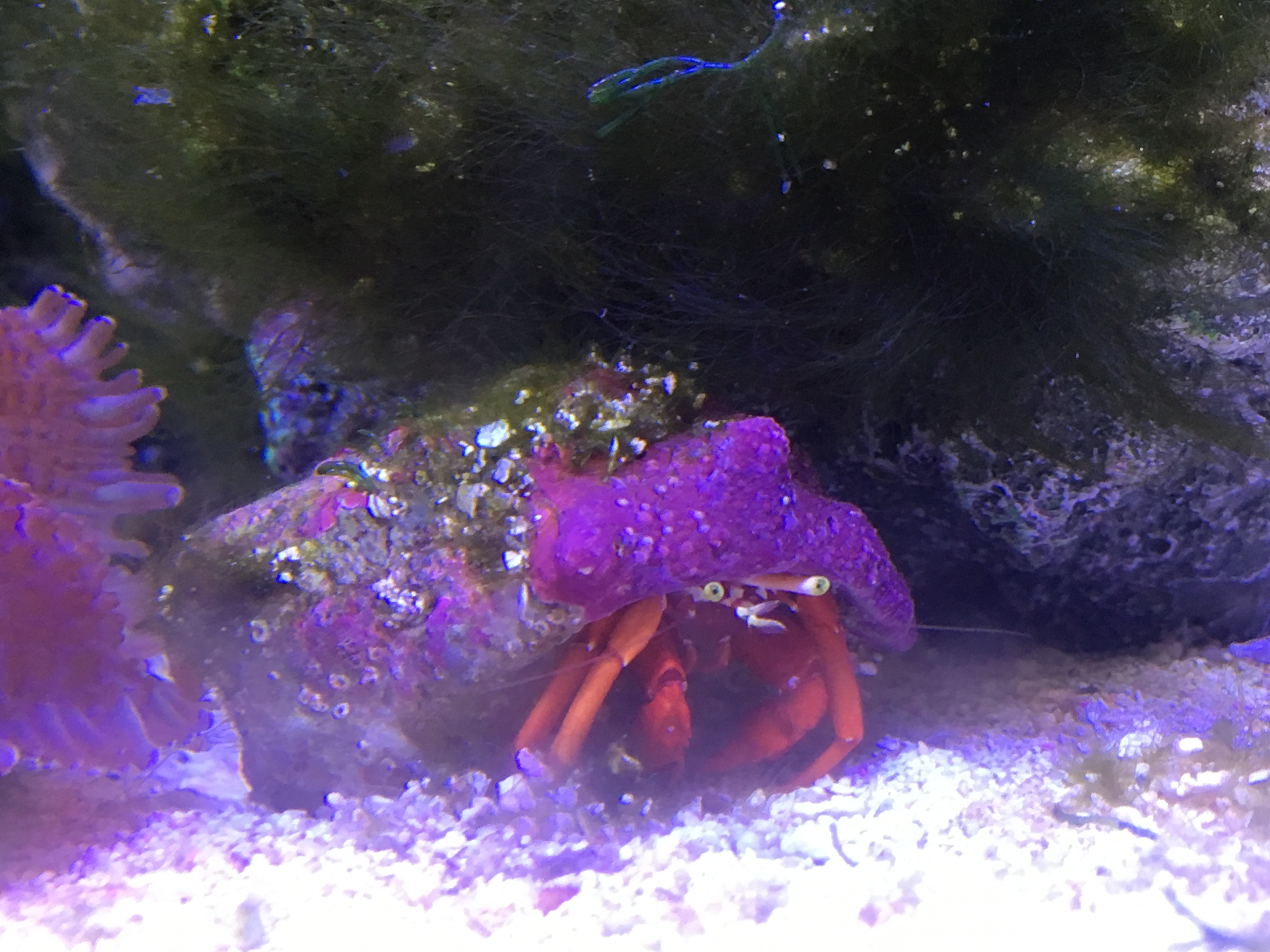
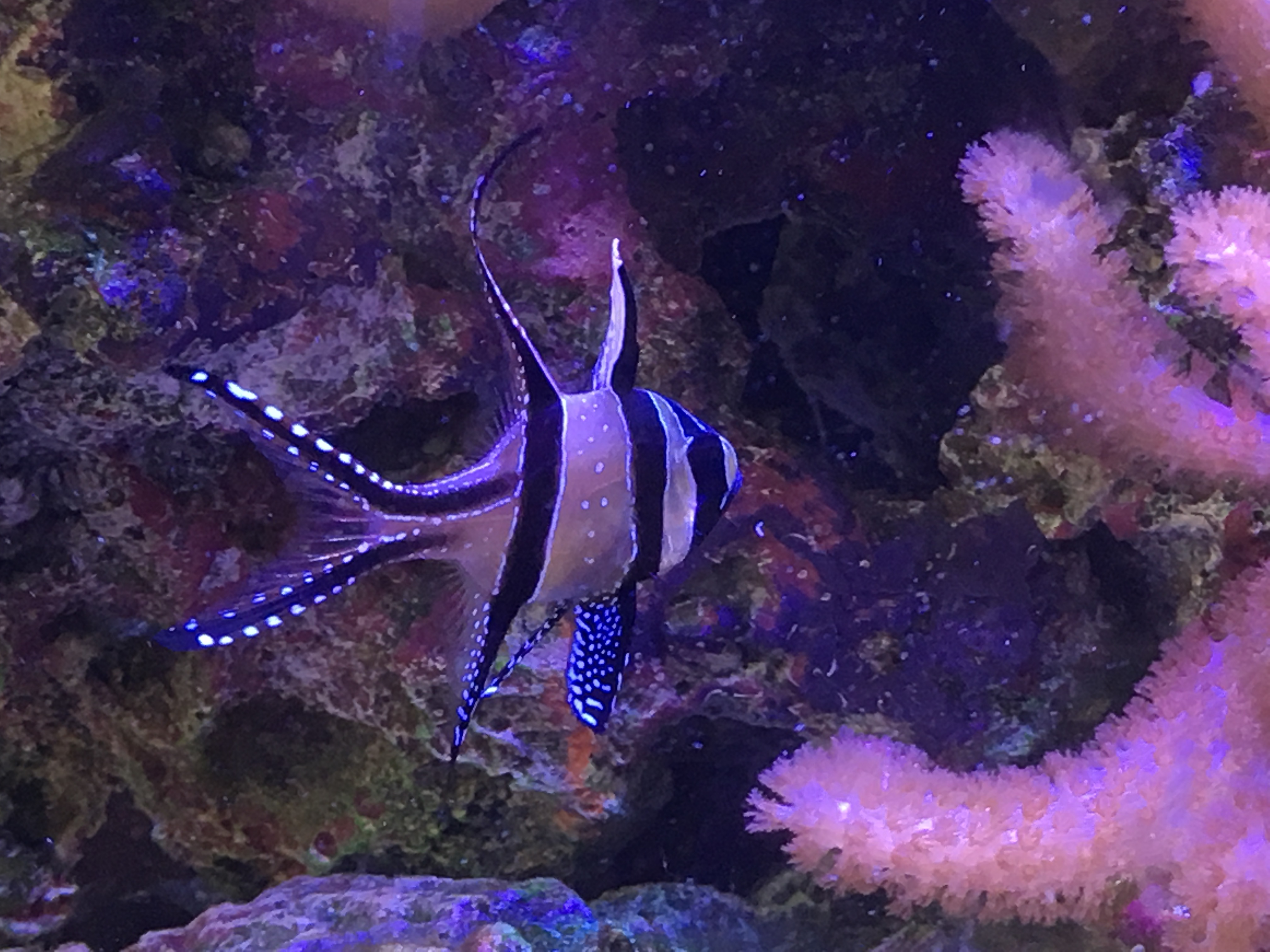
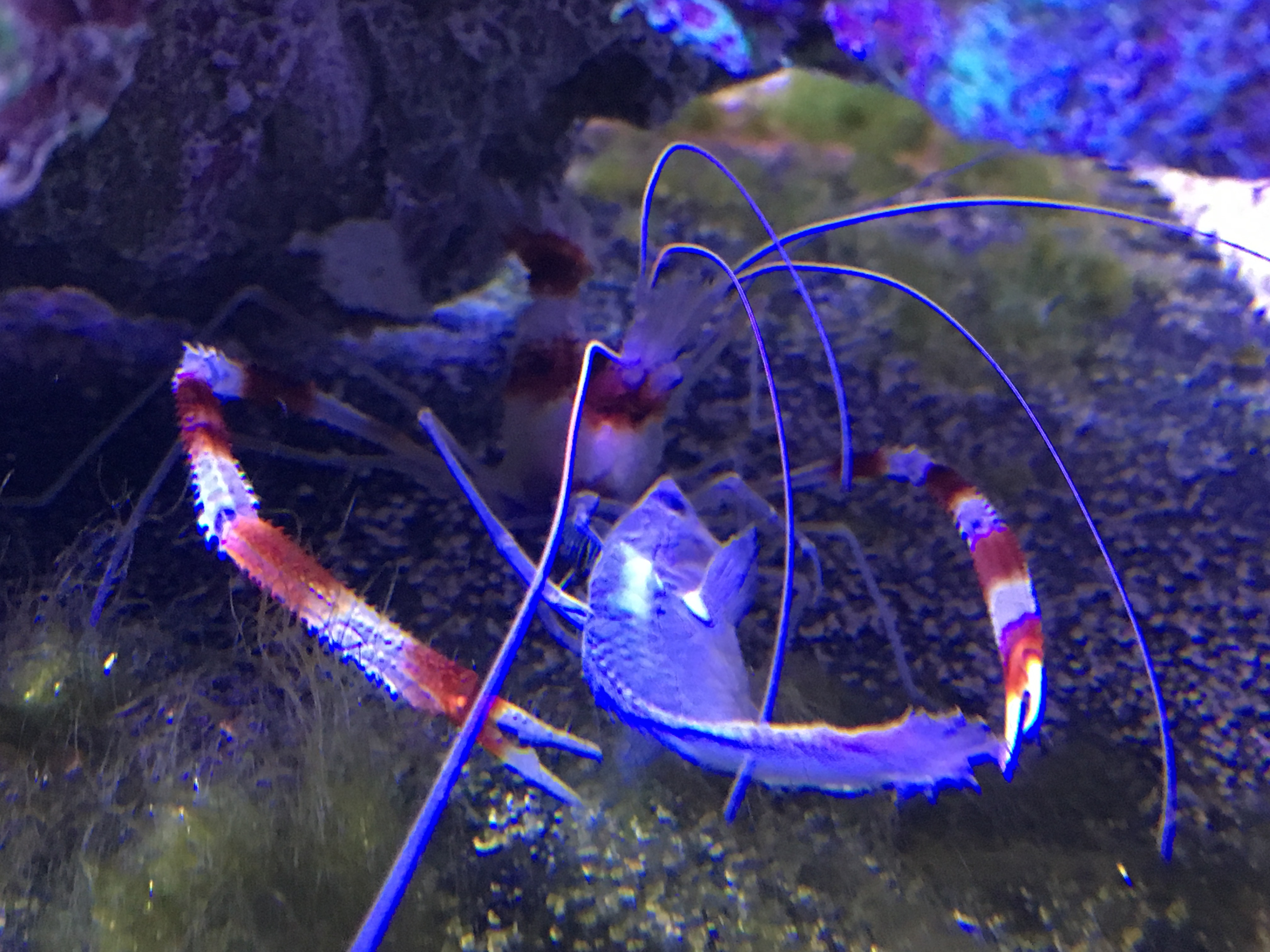
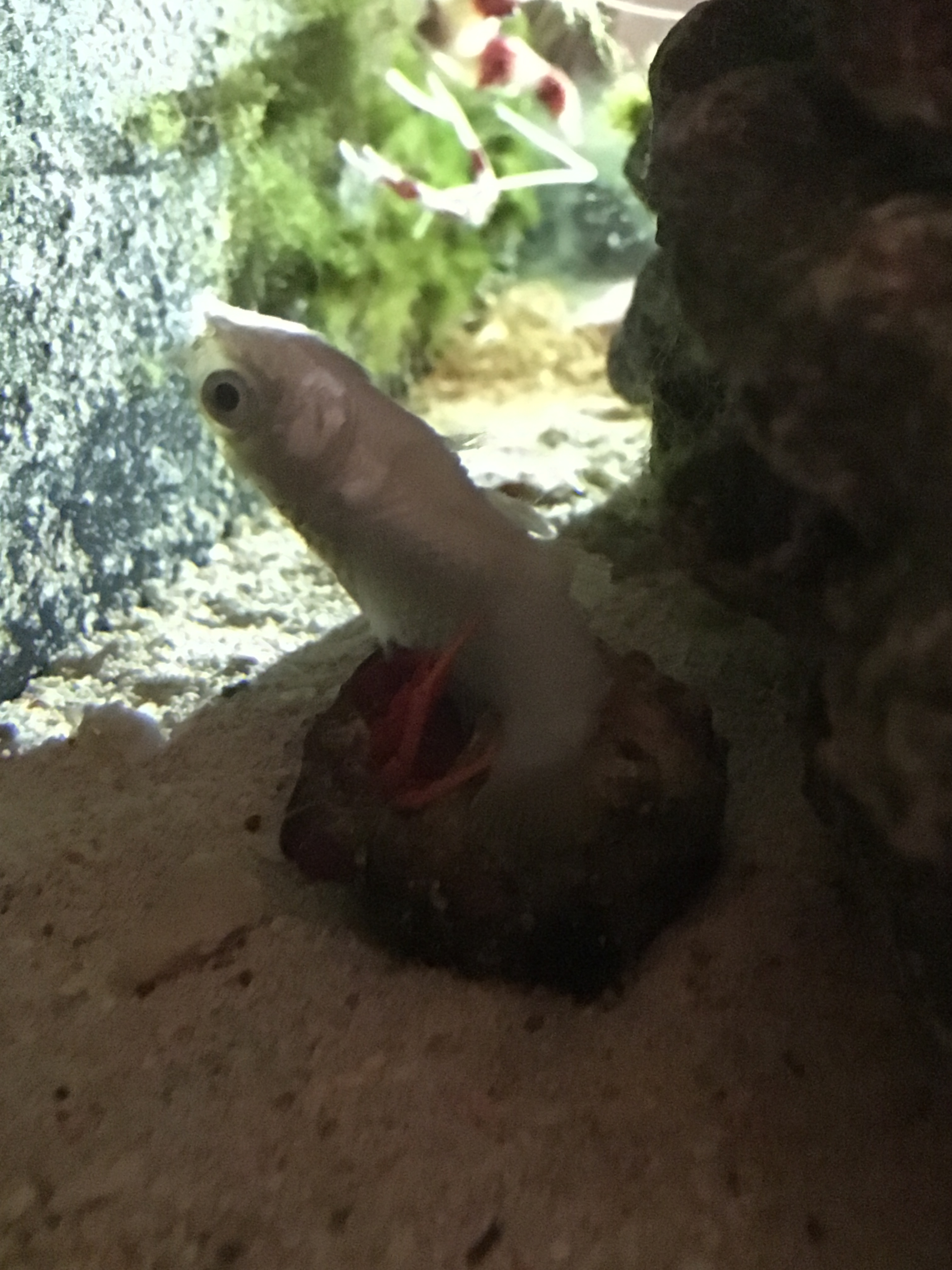
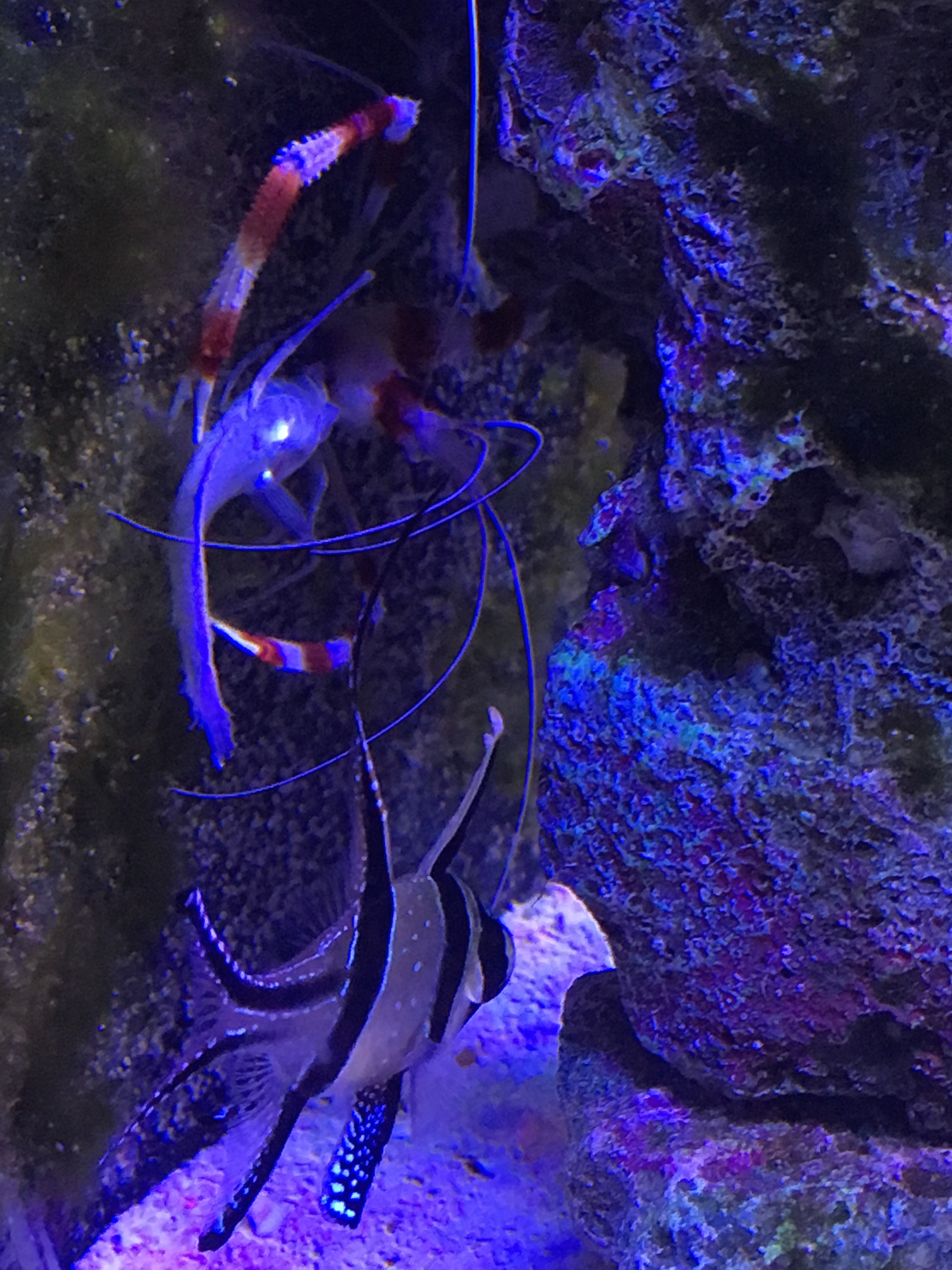
So the roll call of aquatic creatures left in my ward goes thus: Sexy Shrimp (actual name, I’m not a wrong’un) – half the size of a peanut with a behind that just won’t quit; Intrepid Hermit Crab – keeps himself to himself; Dopey White Dude – in possession of an underbite that must have made it the subject of terrible bullying at fish school; The Nervy Admiral – a black and white stripy fish who moves like an old man that’s wandered into a 90s rave and is having war flashbacks to The Prodigy, and a new addition to the tank – Big Spindly Shrimp Thing that lurks at the back, trembling. I was worried it might be shy. Little did I know that this seemingly harmless shrimp would unsettle all our lives forever. Well, mine. For, like, two days.

On Sunday afternoon we got back to my mum’s after a walk in the woods, put the kettle on, and checked on the fish, me congratulating myself on taking my minimal responsibilities so seriously. Then I saw the carnage and gasped in horror. Dopey White Dude, last seen giving a wall of moss a proper good sucking only an hour previously, was now heavily dead and being grappled by Spindly Shrimp Thing, who out of nowhere suddenly exuded a transformational evil that seemed to turn the very waters black.

“WHAT ON EARTH IS GOING ON HERE?”, I exclaimed indignantly with my hands on my hips, like a preppy babysitter who had important coursework to be getting on with and didn’t have time for mischief and certainly not murder. Realising I wasn’t going to get any sensible answers from a crustacean, I sat on a chair and peered into the tank to try and surmise what had happened while I had been out for a bracing walk, banging on about the joy of autumn leaves. And I stayed there with my eyelashes blinking against the glass. For far too long to be psychologically healthy. The sights I beheld will chill me for life. Or until I have been relieved of the duties that I am clearly not cut out for psychologically, and fall back on my old friend, Retrospective Denial. (Middle name La La La La Laaa.)

George and I held a fraught detective session, like a two-man episode of Columbo set in the Sealife Centre. George thought it was a natural death and that the shrimp had just happened upon the corpse while feeling peckish. But I believed I had seen the very fires of Hell in that shrimp’s black eyes and I wanted vengeance, and peace and safety for the other occupants of the tank. George kept dragging me out of the room because I was being no fun – like, seriously, a real dick about it all – but I couldn’t relax. What if the others met their deaths too and it was all my fault for not flushing Spindly Shrimp – AKA The Devil – down the lav straight away?

Each time we left the room we’d switch off the lights to lull the wily shrimp bastard into a false sense of security, then popped back in for obsessive death checks. At each interval something new and wicked had taken place. Lights off. Tea break. Lights on. The Devil had cast off the corpse and was flexing his claws at The Nervy Admiral like he was a between-courses sorbet. Lights off. Half an episode of Luther. Lights on. Intrepid Hermit Crab had dive-bombed off the rock and was on his back, peddling his little legs and delving his claws into the guts of the dwindling carcass of Dopey White Dude. Lights off. Pretend to George I need a wee. Lights on. The Devil had forcibly, jealously, retrieved the cadaver and was filching its pincers into the gills of Dopey White Dude, who was essentially now just a floppy pocket of tasty fish guts.

It went on for hours, this sick carousel of wet despair. Nature is a fucking horror show.

I’ve got five bloody days left of looking after these tiny hell beasts – these mad little bastards who put the loco into ‘in loco parentis’. Five. I’m going to have to keep my wits about me, keep my beady eyes on them, try not to whimper as I studiously watch the body of Dopey White Dude being slowly gnawed down to the scaly nub, and if The Devil even attempts to go near Sexy Shrimp or the Nervy Admiral I’m going in, armed with a pipette to squirt Domestos in his evil crusty face before I pull his stupid fucking legs off.


MEET THE CAST…

image6

Sexy Shrimp, doing what he does best – rutting the coral like it’s his last Christmas

image7

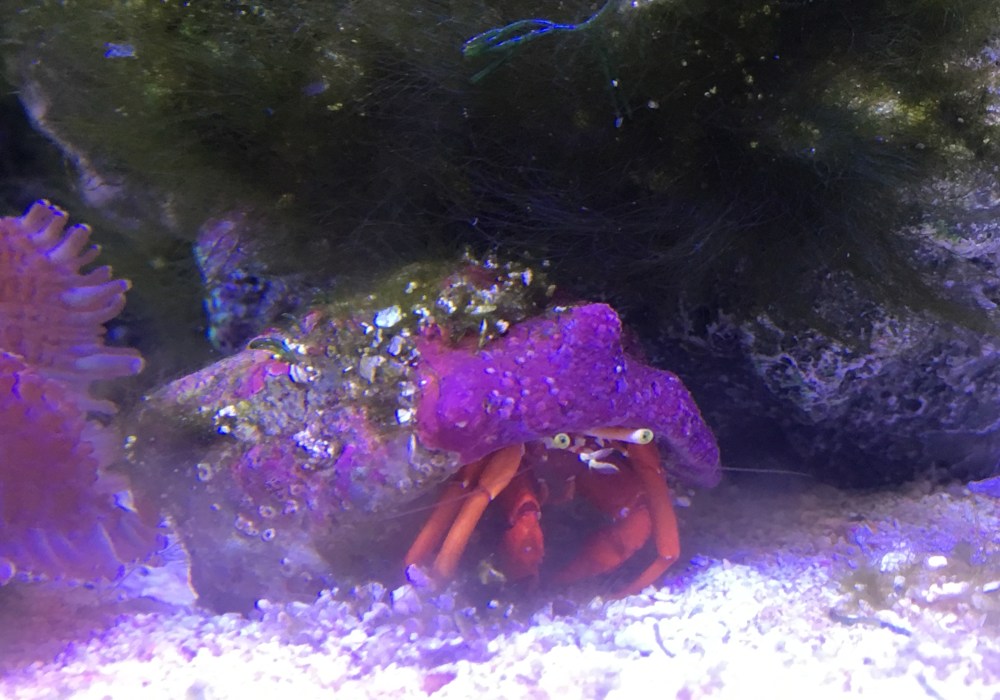
Intrepid Hermit Crab – rare shot of his eyeball stalks there. Probably off his tits on fish blood, like a tramp on a Tennents bender.

image1

The Nervy Admiral – mid escape.

image1

AND THE EVIL SPINDLY ARSEHOLE SHRIMP DEVIL BASTARD, PLAYING AROUND WITH HIS FOOD – AKA THE FISH FORMERLY KNOWN AS DOPEY WHITE DUDE

image3

The Hermit Crab, tucking in. I don’t blame him, he didn’t do the killing. It’s like having a wedding buffet put in front of you and not having a sausage roll. If anything it would be a waste to leave it.

image2

The Devil – about to discard Dopey White Dude and have a go at the Admiral. Prick.

image5

Dopey White Dude – The Remains

What are you?

A friend just sent me a quote. It’s one of my favourites. Roald Dahl. “If a person has ugly thoughts it begins to show on the face. And when that person has ugly thoughts every day, every week, every year, the face gets uglier and uglier until you can hardly bear to look at it. A person who has good thoughts cannot ever be ugly. you can have a wonky nose and a crooked mouth and a double chin and stick-out teeth, but if you have good thoughts it will shine out of your face like sunbeams and you will always look lovely.”

It was linked to Theresa May looking like demonic hag and to a dishevelled Jeremy Corbyn with his kind eyes.

But this isn’t about them. It’s about us all. It’s about you, reading this now.

As part of my job(s) I have to do a lot of social media. Most people do nowaways. I have to push my plays, I share my columns and other writing, I share events I’m doing, projects I’m involved in. And I work for an arts organisation who, amongst many other things, puts on events. A lot of blood sweat toil and occasionally tears goes into our projects. And ideas, good intentions, and love. Lots of that.

As part of running events we get a lot of people offering other ideas, feedback, criticism. Quite often vitriol and spite. People who think they know better how to run an event that twenty thousand people attend every year to mostly jubilant response. Have they ever done it themselves? Mostly not. Because it’s hard. Anything mass scale can never be perfect. Anything that revolves around humans is never perfect, because humans are not perfect, and you can’t control their singular behaviour. Things can go wrong. Good people tackle it and try to get better. Because they are doers. Bad people moan and fire grenades. They tend to be people who do less, who have less to do, and worse, delude themselves that their venomous little splurges have something of value.

Facebook has increasingly become a wallowing pit for people who prefer wading in thick muck and bile to clear waters and positivity. People who get their sole satisfaction from ranting on media platforms seldom think enough to realise they are not reaching the core issue, but are merely reaching one or two people trying to do a job. Who take in their words and carry them around in their personal lives, who take their energy home, to the bath, to bed, and into their hearts. It’s like having a go at the till girl because you don’t like a brand. Which are you? Are you a muck-flinger or a clean water paddler? Ask yourself quickly, now. I wonder if you are right. I wonder if what you think about yourself is what others think about you.

People who fire their ire into the ether think they are assertive, righteously angry, the product of a society which now thinks moaning and attacking as the primary approach is the best way to get what you want. It never is. Even if you achieve the outcome you want – the compensation, the apology, the plain weary receding of someone else’s opinion – you have still lost something by resorting to negative energy and spite. I believe the energy we send out there lingers like clouds. It reflects us, it affects people’s moods, and it is hard to forget.

People who know they are quick to jump to aggression – why? Does it make you happy? I’d say you owe yourself, your life as a creation you are in control of, and the people around you who soak up your clouds, to keep a watch on it.

It is not always assertiveness. It is often tiring, poisonous, unproductive, and beyond tedious. Make a real change. Do things, create things, counter things in a truly enlightening and positive way. Use better more powerful language in your criticism. There is no value in being a critic of things when it does not co-exist alongside something else, something which makes you a valuable human to have around.

Are you the best kind of assertive you can be? Are you doing good? Are you making a difference, or are you just spaffing out an energy that is of no use to anyone, that speaks of a deeper dissatisfaction in your own life, targeted outwards to others, who can’t help the person you’ve allowed yourself to become.

What are you? Look deep; do it. What are you really? Are you sunbeams, or are you black clouds? Are you clean blood, or are you cancer?

maxresdefault

Change. History. Time. Feet.

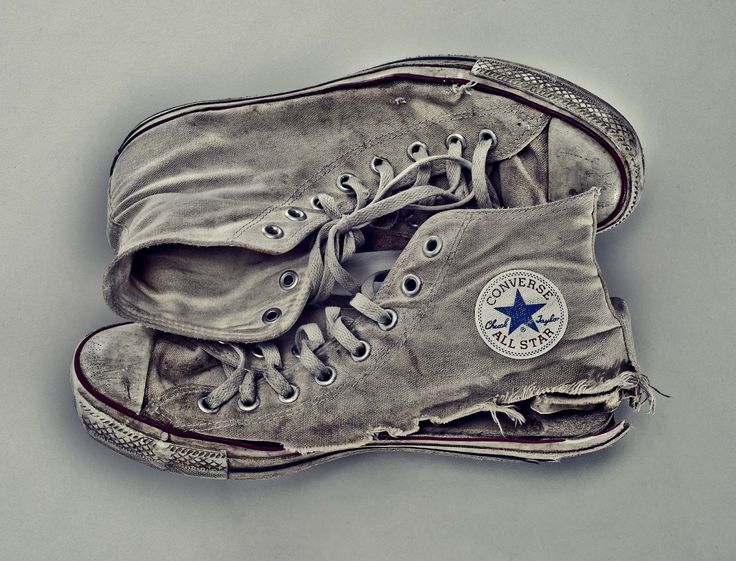
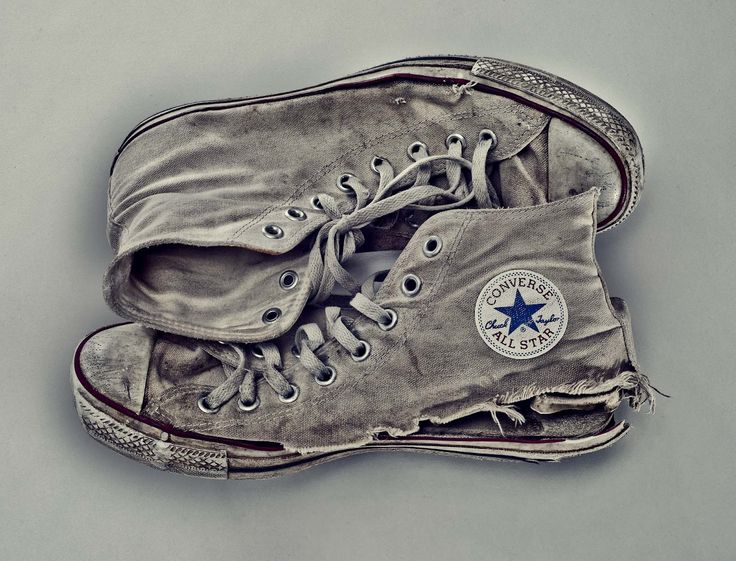
I need to grow up and get better shoes. You can’t traipse around London for three days solid in worn-out Converse and not expect your feet to hate you by the end of it. Those soles are thin at their best, when they’re new, but when you’ve worn them the equivalent of ten times round the United Kingdom, you are definitely on course for some intense post-walk pangs de pied.

I spent a long weekend in London, two nights in a hotel were presented as a birthday gift by my boyfriend as a subtle hint to switch my brain off. It takes acts of bossy kindness like that from loving others for me to take the hint and accept I need downtime; enforced mini breaks, maternal rants, being strapped into a deckchair for a summer lobotomy. That kind of thing.

As part of the prescribed relaxation I decide to do away with the tube and walk everywhere. I wanted to see London. I didn’t want to zoom through underground tunnels and magically reach my destination without seeing anything; I wanted to join the dots overground. With my feet.

I wouldn’t ordinarily have the time to do it; trips into town are usually for one purpose and bookended by rushing. A rush to get there, a rush to get back. Occasionally I’ll manage to see friends when going in for a meeting or to do a show, but mostly I go there for the thing itself then dash away again. Time. It’s tricky to get it right, isn’t it?

But this weekend I walked. I strolled that bad boy London. I perambulated the nation’s capital like a boss. I mooched the living bejesus out of the big smoke.

And I remembered to look up. I was like a magpie for all the hidden bits; the old street signs, the plaques memorialising long-gone taverns, the chimneys and church steeples and turret rooms and broken windows and strange shops and old walls and hidden doorways and mysterious doorbells. Grandeur and hovels, side by side. Valiant preservation and cruel unthinking destruction. Things simply fading away under the weight of newness. Change. History. Time. My eyes were hungry for it all. I loved London that day in a way I had not allowed myself for a long time. Because I took the time to.

At one point, after picking up the pace again after a well-earned pint of lager and lime in Drury Lane, I wondered if my walking London might be a bit like where Forrest Gump starts running and keeps on going until he gets tired and just stops in the middle of a desert road, all beardy and pooped but with a yawn of strange clarity. I wondered if I might be silently protesting against something, hitting my feet against endless pavements driven by some inner voice until the voice just quietens and I would look down and realise I’d worn my legs down like pencil lead. Walking is meditative; it doesn’t just take your body to other places, it carries your mind away too. I think I needed it. Time and space and walking.

And then of course you get home after three days of being the Barbican’s answer to Bear Grylls and take your shoes off and wince and think maybe you should buy yourself some nice Scholls. “You’re 37 now, Hasler. It’s time. Those arches could drop at any minute.” You look at your feet – the same ones you’ve had all your life, the ones that have walked you everywhere – and you see your own history there, every room and street and moment you have ever walked through used those very feet – and you might even remember to thank them.

646a20cf6c70ac34a2c4af9f138eceee--white-converse-timeless-classic

The Zen Phosphorescence of General Knowing

I was thinking that being 37 is a funny age. But they’re all funny ages aren’t they? Because we’ve never lived them before, so they all feel a bit odd and clunky, like new shoes that need to be worn in. Just as you think you’ve got one era of your life straight you move onto a new one, a fresh new bundle of five years tightly bound with the twine of time so you can despatch them in convenient manageable batches as they pass. A stack of experience to be filed away in the sprawling room of retrospect. Early twenties is different to your late twenties, early thirties different to your late thirties, and presumably similarly onwards until your own unique allotment of age runs out and you shuffle off this mortal coil in your slippers, scratching your head and wondering why there’s so much stuff left on your to-do list.

I find myself sat squat in the middle of the latter half of my thirties, just a few crispy autumn months shy of 37 and a half. Aside from the occasional shrieking shock of existential age-versus-success related panic (“I HAVE GREY HAIRS BUT WILL NEVER HAVE A MORTGAGE”, and other witching hour joys), it’s alright. Thirties are pretty great, on the whole. Mostly when you remember to take it easy on yourself.

You even allow yourself the odd moment of feeling wise. Everyone starts looking terribly young and foolish, like they’re blindly wandering the lands of youthful misdemeanor and mild peril and you now get to comfort and dole out nuggets of wisdom from your pouch of experience feeling like you are terribly useful, like baby wipes to a spillage or Smints to a post-sick scenario. Those little blighters need you. You have lived. You have loved. You have mucked countless things up. You have got loads to bang on about until they get bored and lose the will to live.

The wisdom never lasts long. Because you realise you still haven’t got a clue. Your life is lacking in any real foundation, structure, meaning, direction, and purpose, than in fact a whole TED talk could be written on why everyone should do the exact opposite of what you’re doing because you’re an idiot. That you have made some terrible decisions and laughable turns, but that you’d be really good at taking stock and making significant changes if only some benevolent stranger would pay for you to go to Thailand for a 6 month lie-down, where a transformation would come upon you like a slow-growing tan. You’d probably get dreadlocks, and your arms would fill up with meaningful beads and potent charms on string, and your cranium would take on a sort of natural saint-like glow from all the zen phosphorescence of General Knowing shooting out of your follicles. It’d be great. You’d be great. You could be so goddamn great. If only things were somehow…different.

When you find yourself caught between what was, what is, and what could be, turning in small circles like a robot running out of batteries, you need to turn to other wisdom. To books, podcasts maybe, music. To history, to science, to philosophy. To people. People you see all the time, to people you don’t see enough. To whatever makes you feel connected and less lost.

I turn to people. I turn to older friends, to people a few stages on from me. I soak in their thoughts and their advice and their stories and their experience and their love. Their knowing and not knowing. Feeling like you aren’t much different to everyone else might not make the answers come and bonk you in the face like a neon sign of definitive acumen, and it gives you comfort and bravery to keep moving forwards.

tumblr_lz9j6wUImk1r7xlrqo1_500